

About the Activity
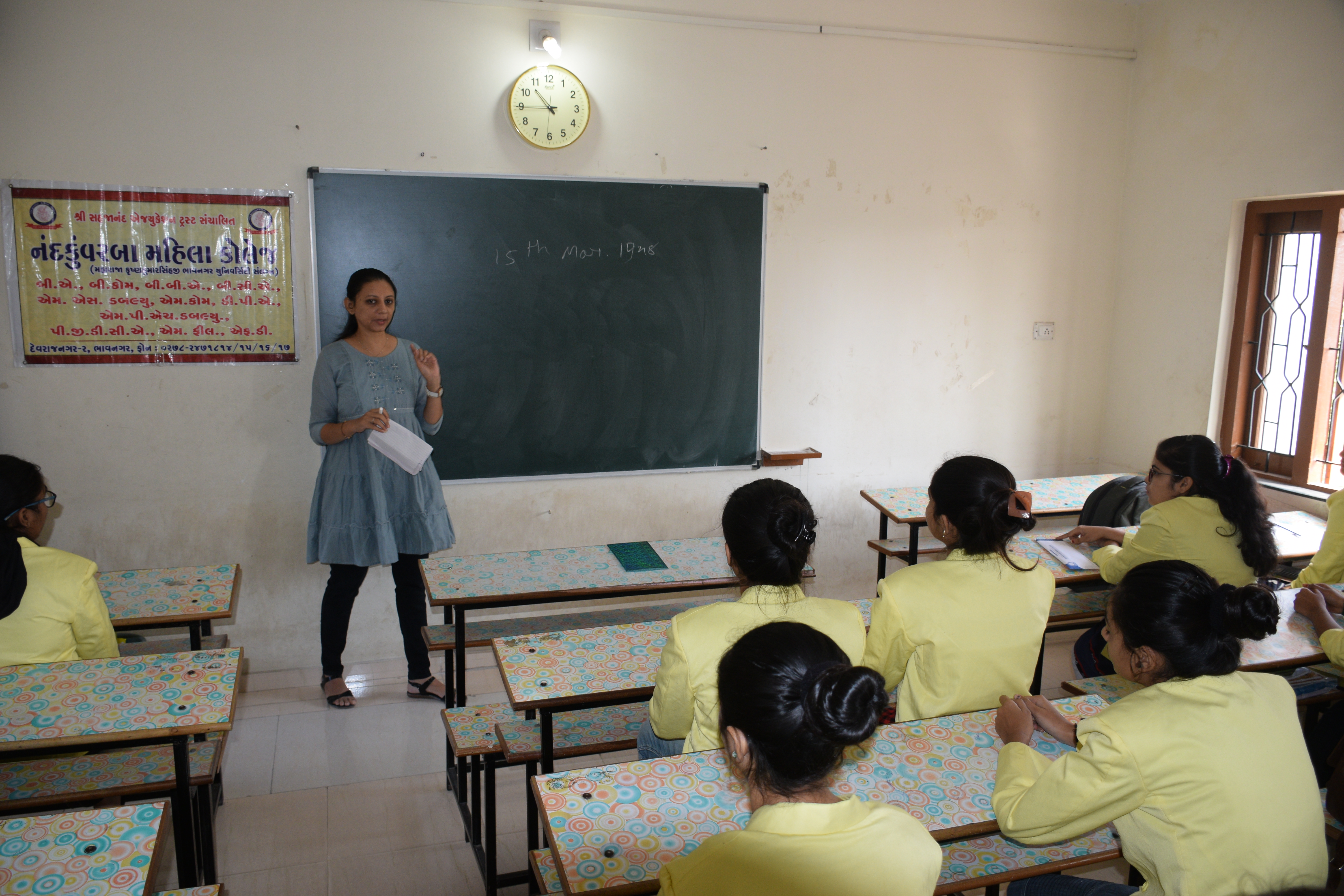
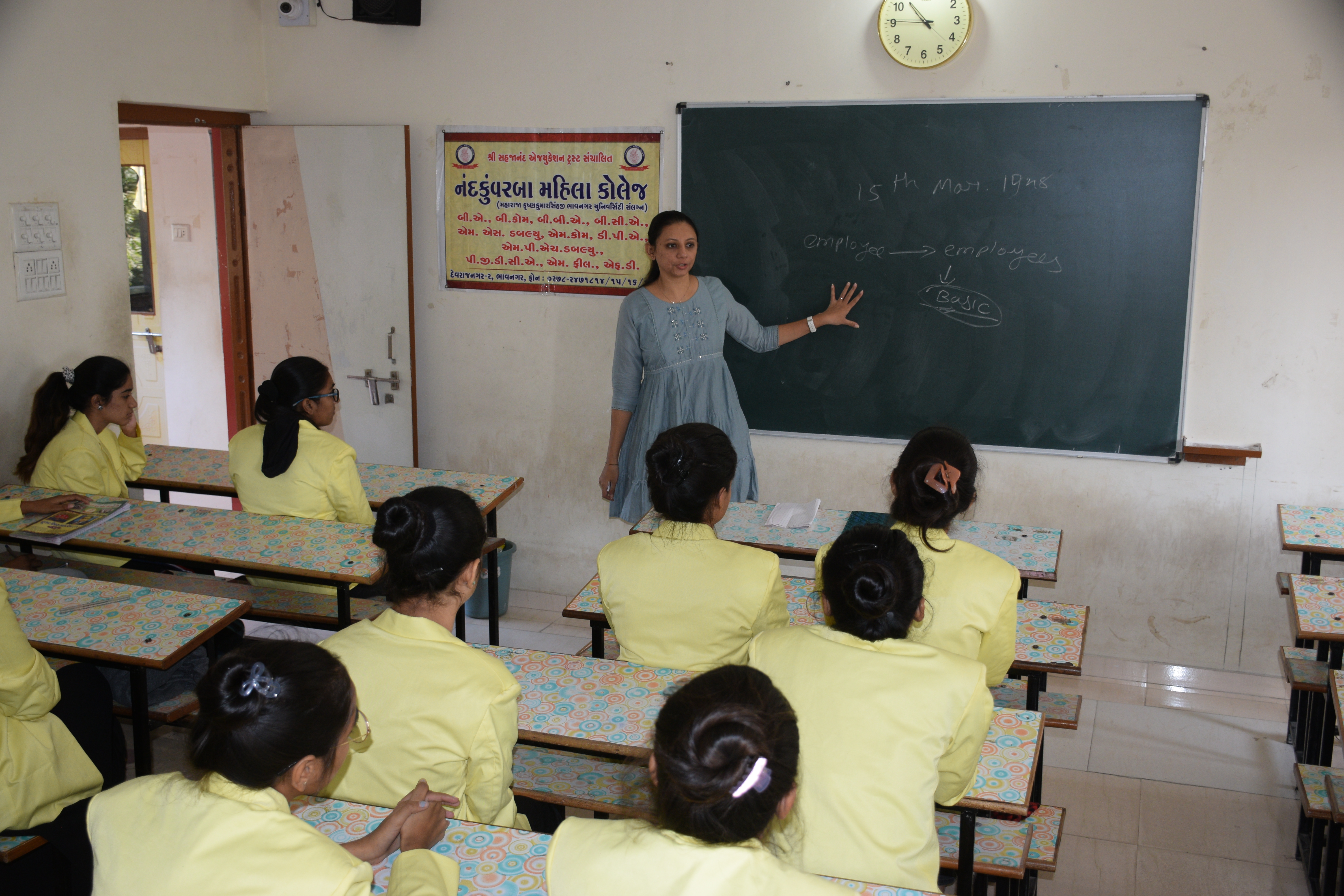
The Department of Bachelor of Business Administration (BBA), Nandkunvarba Mahila College, organized an insightful Guest Lecture on the Equal Remuneration Act for the students of BBA Semester-4 on 2nd February 2024. The session was organized as part of the subject Wage and Salary Administration with the objective of strengthening students’ conceptual understanding of the Act and its relevance to contemporary wage and salary administration practices. Approximately 50 students participated in the lecture. The session was delivered by Adv. Disha Patel, who brought valuable legal insights into the field of wage and salary administration. Through an engaging and systematic discussion, Adv. Patel explained the key provisions of the Equal Remuneration Act to the students, introducing them to the legal framework governing equal pay in organizations. A significant focus of the lecture was placed on the significance of the Act in ensuring equal pay for equal work irrespective of gender. The speaker highlighted the relevance of these provisions to wage and salary administration practices in organizations, helping students appreciate the legal dimension of fair compensation. The lecture provided students with an opportunity to connect their theoretical knowledge of Wage and Salary Administration with the legal provisions governing equal pay in organizations. It enhanced their understanding of how the Equal Remuneration Act is applied in practice. The session concluded with an interactive discussion where students clarified their doubts and raised questions on the provisions and application of the Equal Remuneration Act. Overall, the guest lecture was a meaningful academic enrichment activity that bridged the gap between classroom learning and real-world legal and organizational practices. It helped students understand the significance of the Equal Remuneration Act in ensuring equal pay for equal work irrespective of gender and its relevance to wage and salary administration practices in organizations.